How to Practice Speech Sounds at Home: 3 SLP-Approved Strategies for Parents
From Dr. Carla Kekejian — Pediatric Speech-Language Pathologist, CCC-SLP · September 25, 2026
If your child is working on speech sounds in therapy, you’ve probably asked yourself: “What can I actually do at home to help?” The good news is that you don’t need a therapy degree or a stack of flashcards. With the right approach — and a little play — you can turn everyday moments into powerful speech practice.
This post contains affiliate links. If you make a purchase through one of these links, we may earn a small commission at no additional cost to you.
Why Home Practice Matters for Speech Sound Development
Below, a pediatric speech-language pathologist (SLP) breaks down three simple, research-backed strategies you can start using today, plus a favorite therapy toy that makes practice feel like play.
Speech therapy sessions are important, but they typically happen once or twice a week. Real, lasting progress happens through repetition — and that repetition needs to continue at home. Children learn speech sounds through consistent, low-pressure exposure, not drills. The goal isn’t perfection; it’s giving your child many natural opportunities to hear and attempt their target sounds throughout the day.
Use “Sound Play” During Everyday Routines
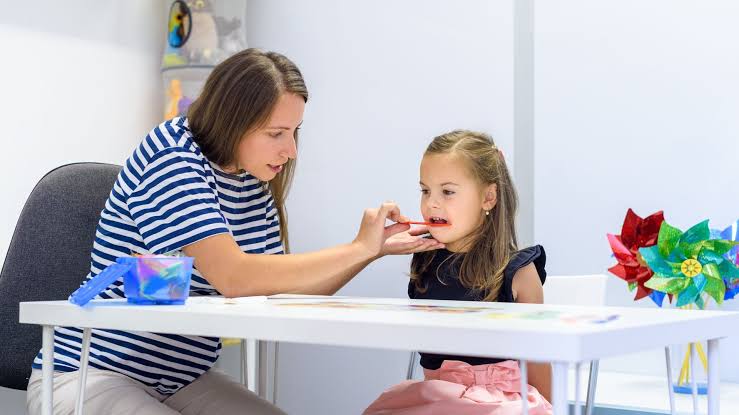
You don’t need a dedicated practice time to work on speech sounds — bath time, snack time, and car rides all count. If your child is working on the “b” sound, narrate what you’re doing using words that start with that sound: “bubbles,” “banana,” “bath,” “big.” This is called auditory bombardment, and it helps children build a strong mental model of the sound before they’re expected to produce it perfectly themselves.
Try this: Pick one target sound each week and casually emphasize it in conversation, without correcting or drilling your child. Just model it clearly and often.
Turn Practice Into Play With Toys and Games
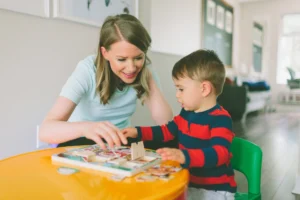
Children learn best through play, not repetition drills. Toys that involve turn-taking, cause-and-effect, or naming objects give you natural, built-in opportunities to model and elicit target sounds without your child even realizing they’re “practicing.”
This is why many SLPs recommend interactive toys as a home practice tool. The LeapFrog 4-in-1 Discovery House is a favorite in our clinic because it combines multiple activities — shape sorting, a spinning gear, a xylophone, and a pretend door with a knock-and-greet feature — into one toy, giving parents dozens of natural moments to model sounds, model words, and encourage imitation during play.
Try this: During play, pause and wait expectantly after modeling a word or sound. This gives your child a natural opening to imitate you, rather than being told to “say it.”
Model, Don’t Correct
One of the most common mistakes well-meaning parents make is directly correcting a mispronounced sound (“No, say it like this”). This can unintentionally increase frustration and reduce a child’s willingness to talk. Instead, SLPs recommend a strategy called recasting: repeat what your child said back to them correctly, without asking them to repeat it.
For example, if your child says “I see a wabbit,” you might respond, “Yes, I see a rabbit too!” This models the correct sound in a natural, pressure-free way and keeps the conversation flowing.
Try this: Focus on modeling correct production consistently rather than asking your child to “try again.” Confidence and consistent exposure build accuracy over time.
See These Strategies in Action
Reading about these strategies is a great start, but watching them in real time can make it much easier to bring them home. Our team has put together video demonstrations showing exactly how these techniques look during real play sessions.
Watch the video demonstrations on our Video Resources page →
Frequently Asked Questions
How often should we practice speech sounds at home?
Short, frequent practice is more effective than long, infrequent sessions. Aim for 5–10 minutes of focused sound play, several times a day, woven into routines your family already has — like bath time, meals, or car rides.
What if my child gets frustrated during practice?
Stop and switch to a lower-pressure activity. Frustration usually signals that the task is too hard or too repetitive. Go back to simply modeling the sound in play, without asking your child to repeat it.
Can toys really help with speech therapy?
Yes. Interactive toys that involve naming, turn-taking, and cause-and-effect give children natural, motivating opportunities to hear and attempt target sounds. The key is choosing toys with varied vocabulary and interactive features, like the LeapFrog 4-in-1 Discovery House, rather than toys that require passive watching.
When should I be concerned about my child’s speech sounds?
If your child is difficult to understand for their age, avoids talking, or isn’t hitting expected speech sound milestones, it’s worth having a licensed speech-language pathologist evaluate them. Early support leads to better long-term outcomes.
The Takeaway
Practicing speech sounds at home doesn’t require flashcards or formal drills — it requires consistency, playful modeling, and patience. Weave sound-focused language into your daily routines, use interactive toys to create natural practice opportunities, and model correct sounds instead of correcting your child directly. Small, consistent moments add up to meaningful progress.
Have Questions About Your Child’s Speech Development?
If you have questions about your child’s speech development or want personalized home practice strategies, reach out to our team — we’re here to help.
Contact UsAbout the Author
Dr. Carla Kekejian, PhD, CCC-SLP, is the founder of SoCal Speech-Language Therapy and a professor of communication disorders and sciences at California State University, Northridge (CSUN). With over a decade of clinical experience, she specializes in bilingual speech therapy and strengths-based communication support for children in La Cañada Flintridge and across the Greater Los Angeles area, with a focus on evidence-based, culturally responsive care. Read Dr. Kekejian’s full bio, or learn more about her research and teaching.
Medical Disclaimer
The information here is for education and doesn’t replace professional medical advice or a diagnosis. Always talk to your doctor or a qualified health provider with questions about a medical condition.